Skip to the content

Our story

It began with a few lines drawn for a raga.

Nobody sat down and planned Ragas and Lines. The name came from the people who watched, and the school grew from the questions they asked.

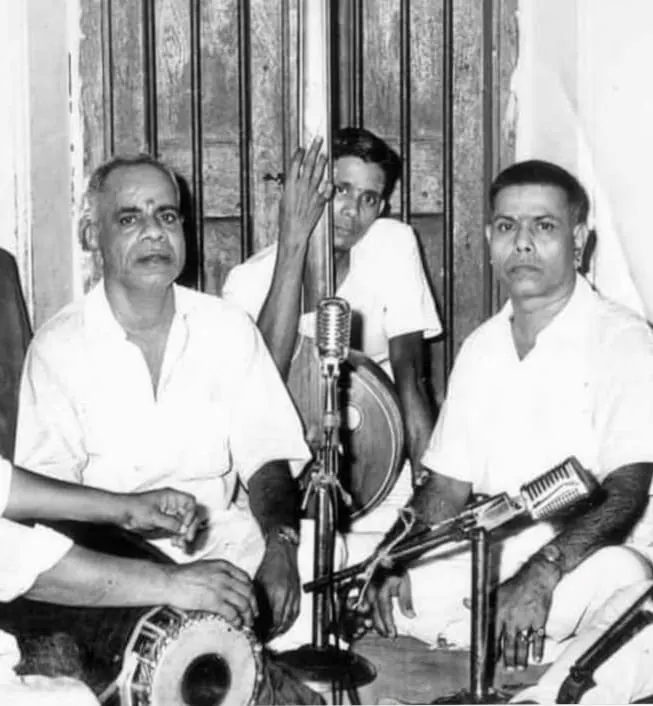
An old black and white photograph of the Kumbakonam Brothers performing with a mridangam player.

Eight hundred years of music at home

Our founder comes from a family whose music goes back more than 800 years. In a home like that, nobody teaches you what a raga is. You hear it at breakfast. Somebody is always singing, and somebody is always correcting.

Most people who want to learn Carnatic music do not have that. They have one class a week, and six days of wondering whether they are singing it right.
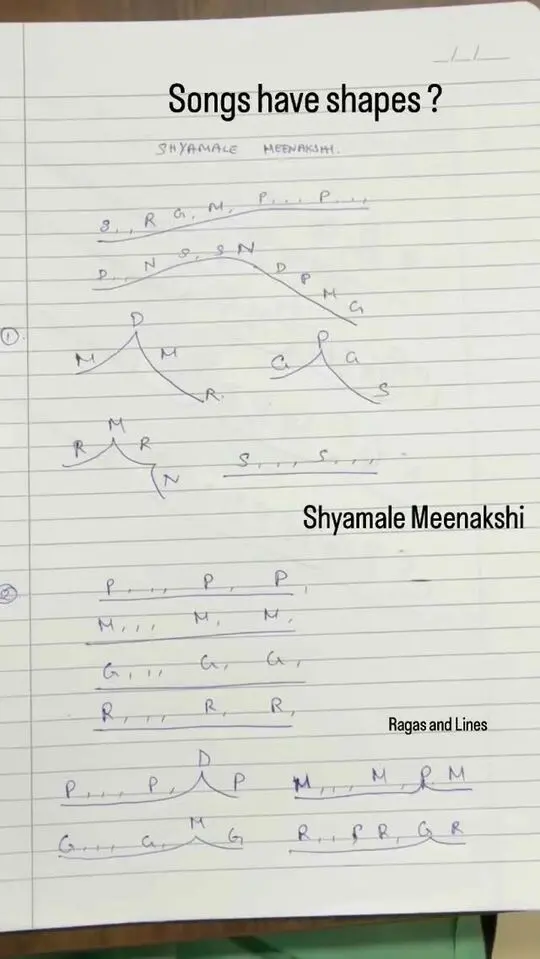
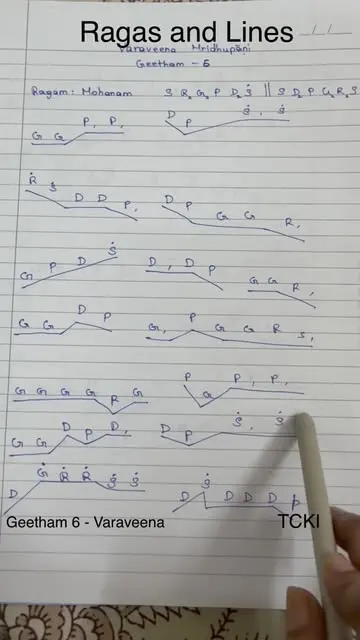
A notebook page of the nottuswaram Shyamale Meenakshi, each phrase drawn as an arc or a level line.

“A little higher.” But where is higher?

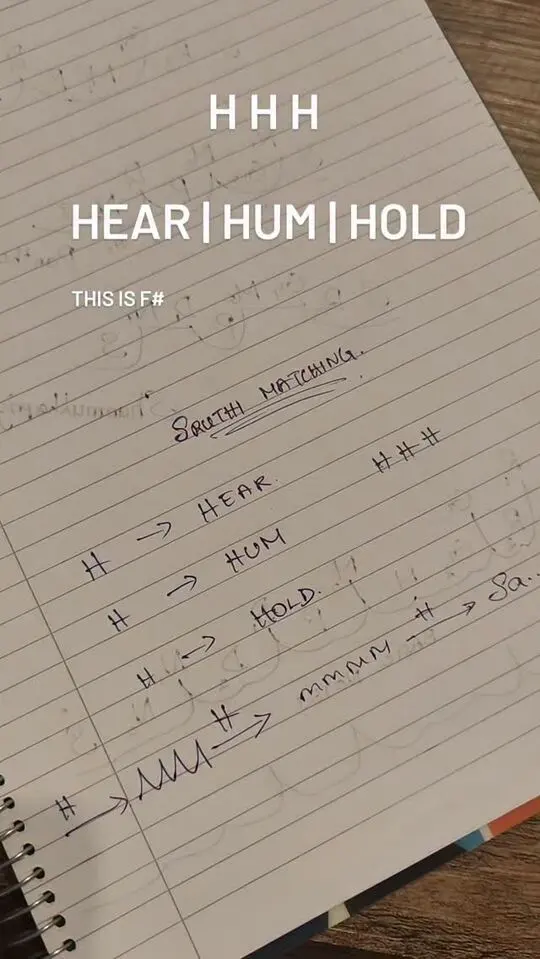
Think of your guru saying “a little higher, a little lower”. All of us have learnt this way, all these years. But where exactly is that higher and lower? What if we could mark it? What if we could draw it?

Our founder’s doctoral research gave the answer its shape. It is easier to understand the depth of something when you can measure it, and the research showed how much a learner is helped when the music is put in front of them as something they can see.

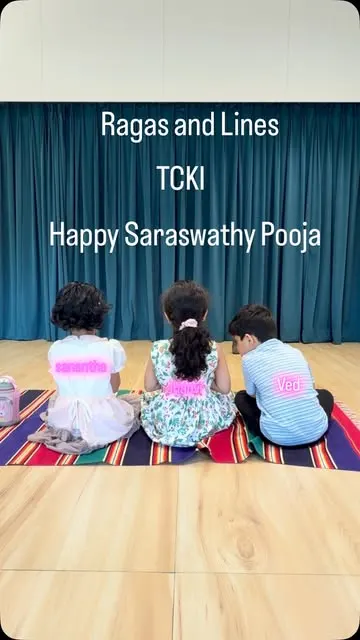
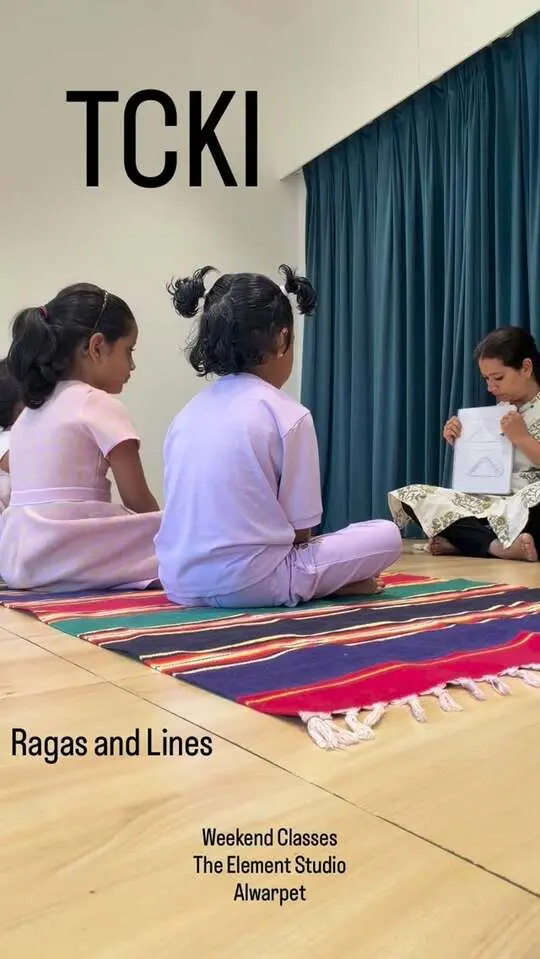
Two little girls sitting on a striped mat while their guru holds up a drawing of an arohanam.

The audience gave it a name

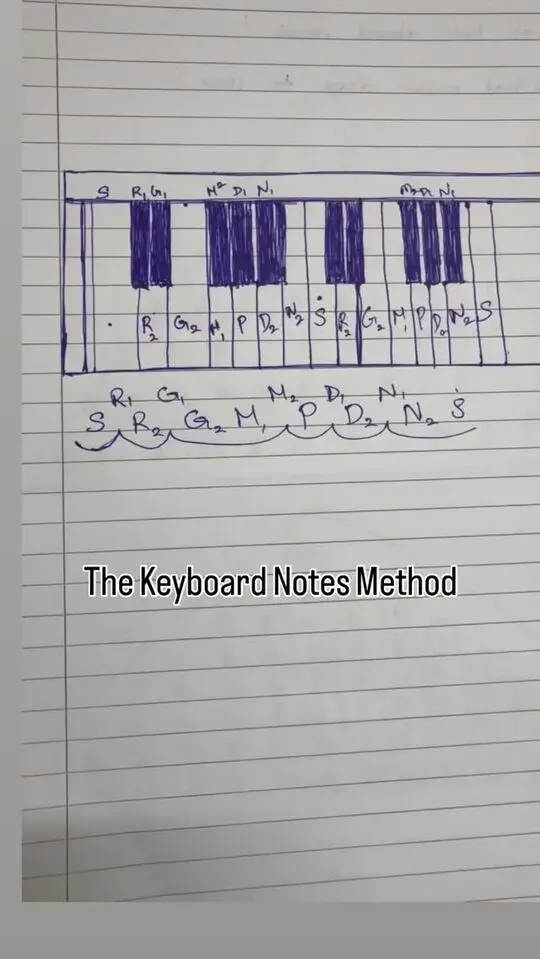
So it started very simply: a line drawing of the arohanam and avarohanam of a ragam, shared online. Then another. People watched, wrote back and asked for more. The support was far beyond what we expected, and somewhere along the way they began calling it “Ragas and Lines”.

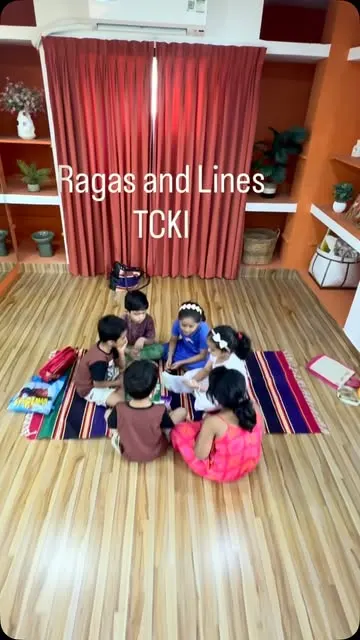
Young students started coming to us, asking for lessons, for guidance, for a way to learn like this. That was when the drawings took on a life of their own and became a school.

Why we do this

To make Carnatic music approachable, and very simple to understand

Carnatic music has some of the most intricate patterns and nuances of any music in the world, and it is the base for many other genres. That should not make it frightening. If a child can draw a line, a child can follow a raga.

800+
years of music in the family
5,00,000+
people reached by the line drawings
10+
countries our students join from

Where it all started

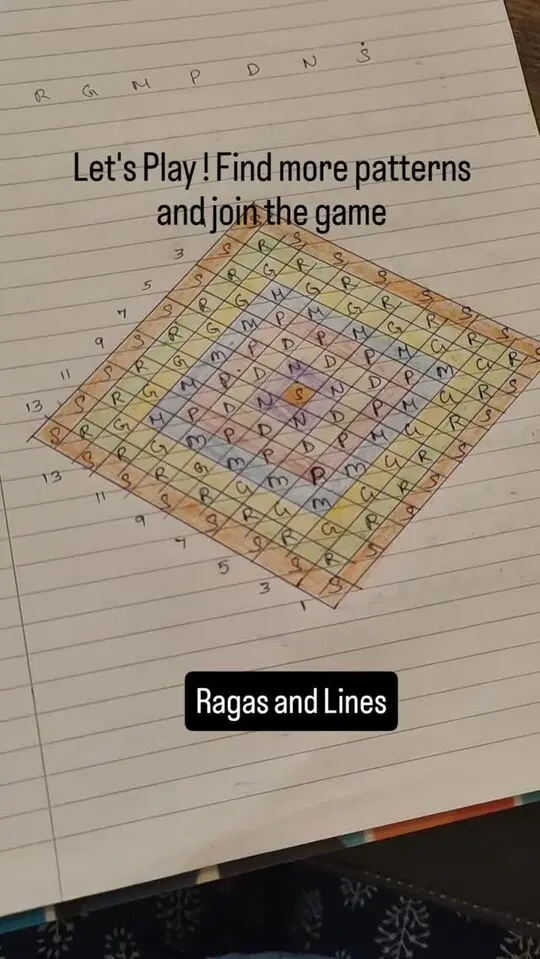
The drawings that gave us our name

They are still posted almost every day. Watch one, take a pencil and try drawing a raga yourself.

Follow @letsdosomeresearchinmusic_tcki12K followers on Instagram

This is still being written, and we need you in it

Ragas and Lines is not finished. It keeps growing with every student who joins and every person who writes to us. Come, let us take our traditional Carnatic music forward in this new way together, and let many more people enjoy learning this beautiful art.